

Why Some Carroll County Homes Are Sitting on the Market in 2026
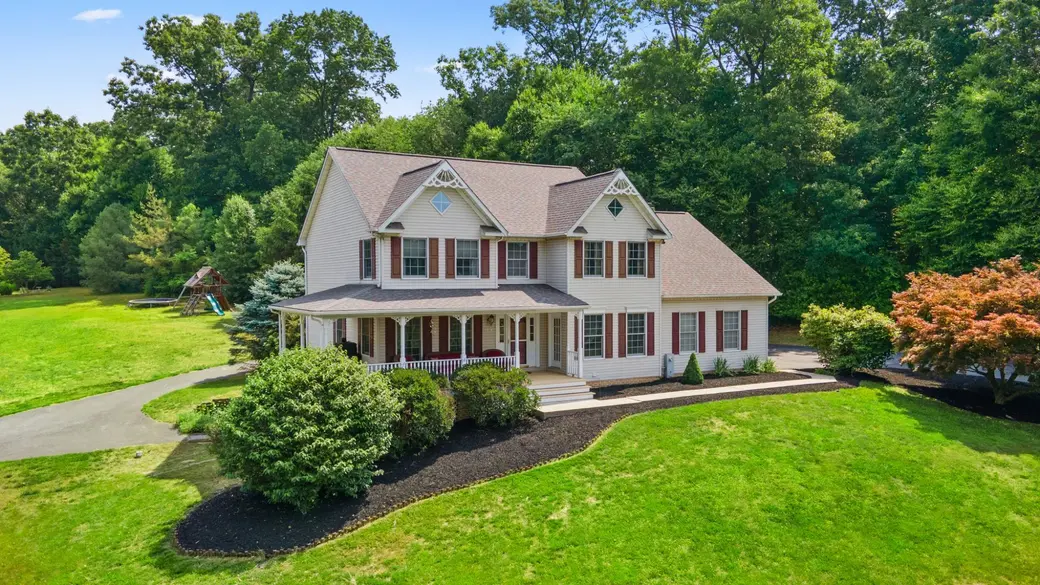
Why Some Carroll County Homes Are Sitting on the Market in 2026
By Jessica Sauls, Top 1% Maryland Realtor® | Memory Lane Property Group
If you've been watching the Carroll County real estate market lately, you've probably noticed something interesting.
Some homes are selling in days.
Others are sitting for weeks or even months.
When homeowners see a house lingering on the market, the assumption is often:
"The market must be slowing down."
While that can occasionally play a role, it's usually not the real reason.
After more than 20 years of selling homes throughout Carroll County and Central Maryland, I've found that homes rarely sit because there are no buyers.
Most of the time, homes sit because buyers don't see enough value to take action.
The good news?
Most of the reasons a home sits on the market can be fixed.
The Biggest Reason Homes Sit: Lack of Preparation
The number one reason I see homes struggle to sell is surprisingly simple.
They're not ready for the market.
I cannot tell you how many homes I tour that haven't been deep cleaned before listing.
You wouldn't try to sell your car without detailing it first.
Why would you sell your home without cleaning it?
Buyers notice everything.
They notice:
- Dust on ceiling fans
- Dirty baseboards
- Food crumbs in kitchen drawers
- Dirty refrigerators
- Unclean bathrooms
- Overgrown landscaping
- Weeds in flower beds
- Cobwebs in corners
These details may seem small to a homeowner who sees them every day.
To a buyer, they create doubt.
If the visible things haven't been maintained, buyers start wondering what they can't see.
Today's buyers have higher expectations than they've had in years.
Many have spent the last several years losing bidding wars, waiving inspections, and competing against dozens of offers.
Now that prices, closing costs, and interest rates are higher, buyers expect more for their money.
And frankly, they should.
Odors Can Kill a Sale Faster Than Almost Anything Else
If there is one thing sellers consistently underestimate, it's odor.
Many homeowners become accustomed to the smells in their home.
Buyers don't.
A buyer can walk through the front door and make a decision about a house within seconds.
Smoke odors.
Pet odors.
Musty basement smells.
Cooking odors.
These things matter.
And no amount of candles, plug-ins, sprays, or furnace-filter air fresheners will solve the problem.
In fact, strong artificial scents often make buyers suspicious.
When buyers smell multiple candles burning or overpowering air fresheners, they immediately wonder:
"What are they trying to cover up?"
The goal isn't to mask odors.
The goal is to eliminate them.
Overpricing Is Still One of the Most Expensive Mistakes Sellers Make
The second biggest reason homes sit on the market is incorrect pricing.
There is a common misconception that sellers should price high and negotiate down.
That strategy worked years ago.
Today's buyers are different.
They're informed.
They've been watching the market for months.
They're studying homes online every day.
They're attending open houses.
They're comparing price, condition, location, and value across multiple properties.
When a buyer believes a home is overpriced, many won't even schedule a showing.
Think about that for a moment.
The perfect buyer for your home may never walk through the front door.
Not because they didn't like the house.
Because they never saw enough value to visit it.
Many buyers have already missed out on homes they loved.
They're not interested in falling in love with another property that feels overpriced.
When sellers overprice from the beginning, they often find themselves chasing the market.
The longer the home sits, the more buyers begin asking:
"What's wrong with it?"
And once that happens, sellers frequently end up reducing the price below where they should have started.
That extra $10,000 a seller hoped to gain may ultimately cost them $25,000 or more.
Not Every Home Fits the Same Rules
There are exceptions.
Certain properties naturally require longer marketing times.
For example:
- Log homes
- Contemporary homes
- Highly customized homes
- Luxury estates
- Unique rural properties
These homes can be priced correctly and still take longer to sell.
Why?
Because you're searching for a specific buyer.
A unique home requires a unique buyer.
That is very different from an average three-bedroom colonial in a neighborhood where comparable sales are easy to identify.
Understanding the difference is critical when evaluating days on market.
Weak Marketing Still Hurts Sellers
Sometimes the issue isn't the house.
It's the marketing.
I am continually surprised by how many listings still have poor-quality photos.
I've even seen listings where the Realtor's finger is visible in the photo.
Cell phone photos are unacceptable.
Period.
I don't care if the home is worth $200,000 or $2 million.
If a seller trusts an agent with their largest asset, they deserve professional marketing.
Professional photography should be standard.
Professional video should be standard.
Reels and social media exposure should be standard.
Anything less puts the seller at a disadvantage.
Buyers form opinions before they ever schedule a showing.
Poor photos reduce traffic.
Reduced traffic reduces offers.
Fewer offers typically mean less money for the seller.
Open Houses Still Work
One myth I hear frequently is:
"Open houses are just for agents to find buyers."
That simply hasn't been my experience.
We sell homes through open houses all the time.
Many buyers don't want to commit to an agent immediately.
But they are willing to commit to visiting a home they like.
The majority of visitors we see at our open houses are serious buyers.
Open houses create exposure.
Exposure creates opportunities.
Opportunities create offers.
That's exactly why we continue to invest heavily in them.
Your Neighbors May Already Know Your Buyer
One of the most overlooked marketing opportunities is neighborhood marketing.
Every time we prepare a home for sale, we send approximately 300 cards to surrounding neighbors before the home even hits the market.
Why?
Because neighbors often know someone who wants to move nearby.
Parents.
Friends.
Coworkers.
Adult children.
Grandparents.
Many buyers are found through neighborhood connections before they ever see the property online.
The more exposure a home receives, the better the results tend to be.
The Paint and Carpet Mistake
One of the most common objections I hear is:
"I don't want to paint because the new buyer will choose their own colors."
Or:
"I don't want to replace the flooring because they'll change it anyway."
Sometimes that's true.
But buyers are busy.
They're working.
They're raising children.
They're managing life.
Fresh paint feels clean.
Fresh flooring feels move-in ready.
New buyers can easily add an area rug.
What they don't want is stained carpet, worn traffic patterns, pet odors, and immediate projects.
Sellers who invest in preparation almost always attract more buyers and stronger offers.
What I Do When a Home Has Been Sitting for 60+ Days
When a seller calls me because their home isn't selling, I don't start with assumptions.
I start with data.
The first thing I do is pull up the listing.
I review:
- Location
- Photos
- Description
- Square footage
- Price
- Comparable sales
Then I visit the property.
I compare it to competing homes.
I evaluate condition.
I review buyer activity.
How many views?
How many saves?
How many showings?
How do similar homes perform?
I also call other listing agents.
That's a step many agents skip.
I ask:
- How was traffic?
- Did you hold open houses?
- What feedback did buyers provide?
- Did the home sell above, at, or below asking price?
Context matters.
If every similar listing had low traffic during a holiday weekend, that's important information.
If all competing homes are busy and one home isn't, that's important too.
Once I gather the data, I analyze it.
Then I create a plan.
Most homes sitting beyond 60 days ultimately come down to two things:
Price and marketing.
The solution isn't guessing.
The solution is understanding the data and creating a strategy that aligns with the seller's goals.
The Bottom Line
Homes are still selling in Carroll County.
Buyers are still buying.
Inventory remains limited.
But today's buyers are more selective than they were a few years ago.
If you want top dollar, preparation matters.
Pricing matters.
Marketing matters.
The sellers who put in the effort are typically rewarded.
The sellers who don't often receive exactly what they put into the process.
If your home has been sitting on the market—or you're considering selling and want to avoid costly mistakes—I'd be happy to review your situation and create a customized strategy designed to help you achieve the best possible result.
Because every home can sell.
The question is whether it's positioned to succeed.
Recent Posts


I'm Jessica Sauls, and I help Buyers and Sellers navigate their Real Estate needs in Carroll County, Maryland and surrounding areas.
It's my Mission to provide strategic, ethical, and compassionate real estate guidance that empowers people to build stability, wealth, and a life they love. We create calm, clear, and trustworthy experiences, and we strengthen our community through service, connection, and integrity.
I believe in building futures, relationships, and legacies that last.