

What If My House Doesn't Sell? Advice From a Maryland Realtor
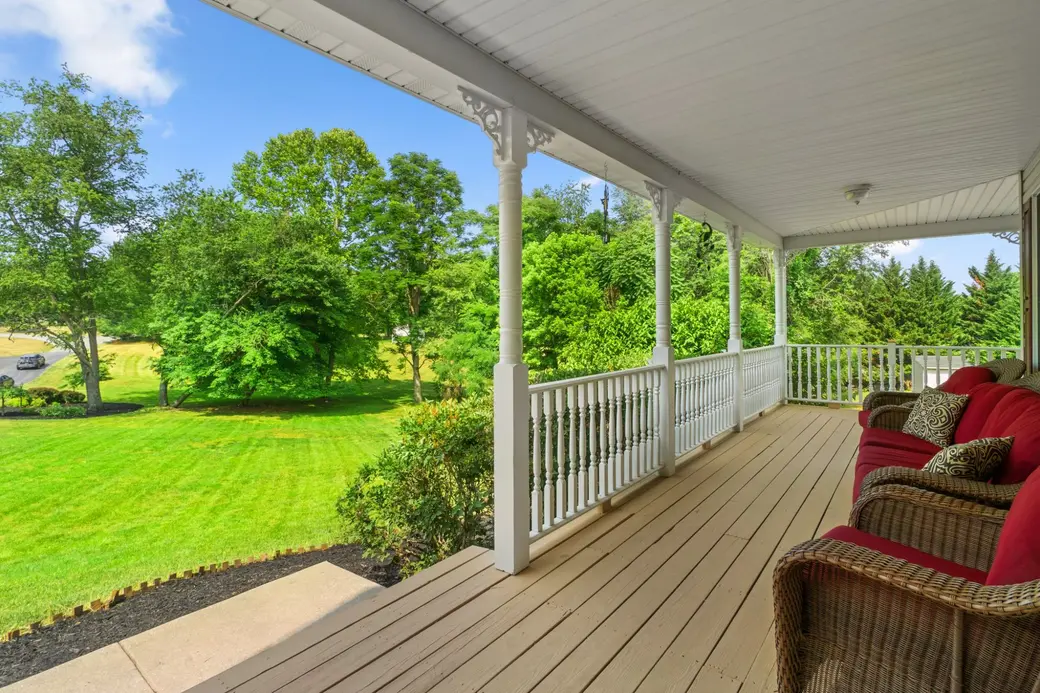
What If My House Doesn't Sell?
By Jessica Sauls, Top 1% Maryland Realtor® | Memory Lane Property Group
One of the biggest fears homeowners have before selling is something they rarely say out loud:
"What if my house doesn't sell?"
It's a fair question.
Selling a home is a major life event. You're investing time, energy, money, and emotions into the process. You're preparing your home, coordinating showings, making plans for your next move, and trusting that everything will come together.
So what happens if it doesn't?
After more than 20 years of helping homeowners buy and sell throughout Carroll County and Central Maryland, here's my honest answer:
It's not a matter of whether your home will sell. Everything can sell. The real question is whether it will sell at the price and within the timeline you want.
That's where strategy becomes important.
Every Home Has a Buyer
One of the biggest misconceptions in real estate is that some homes simply can't sell.
That's rarely true.
Every property has value to someone.
The challenge is identifying the right combination of:
- Price
- Condition
- Marketing
- Timing
- Buyer demand
When one of those variables is out of alignment, homes tend to sit.
When they're aligned correctly, homes sell.
The goal isn't to guess.
The goal is to understand what the market is telling us and adjust accordingly.
Setting Realistic Expectations From Day One
One of the most important parts of my job is helping sellers understand what the market is actually saying.
Many homeowners have a number in mind before we ever meet.
Sometimes that number comes from:
- A neighbor who sold recently
- A family member who sold years ago
- A friend who heard something from another friend
- An online estimate
While online valuation tools can be useful, they are often far too general to create accurate pricing expectations.
A computer doesn't walk through your house.
It doesn't smell pet odors.
It doesn't evaluate views.
It doesn't compare your finishes to competing properties.
It doesn't account for upgrades, deferred maintenance, location differences, or buyer perception.
The market does.
That's why we rely on real comparable sales, active competition, and current buyer behavior instead of assumptions.
The First Thing I Do When a Home Isn't Selling
When a seller calls me and says:
"Jessica, my house isn't selling. What should I do?"
The first thing I do is review the data.
I pull up the listing and evaluate:
- Location
- Photos
- Description
- Square footage
- Price
- Comparable sales
Then I dig deeper.
I call agents who recently sold similar homes.
I ask:
- How many showings did you have?
- Did you receive multiple offers?
- Did you hold open houses?
- Was traffic strong?
I call agents with active competing listings.
I ask:
- How has buyer activity been?
- What marketing strategies are working?
- Are there opportunities to collaborate?
I even ask for the names of agents whose buyers submitted competing offers on recently sold homes so I can contact them directly and see whether those buyers are still searching.
Most listing agents never take this step.
But if there are qualified buyers actively looking for a home like yours, I want to know about it.
The Data Always Tells a Story
One of the advantages of modern real estate marketing is that we can track buyer behavior.
Every week, my sellers receive updates showing how buyers are interacting with their listing online.
We track:
- Views
- Saves
- Showing activity
- Feedback
The numbers tell us a lot.
Lots of Views and Saves But No Showings?
That's usually a pricing issue.
Buyers like the home enough to save it, but not enough to schedule an appointment.
Lots of Showings But No Offers?
Again, price is often the culprit.
Especially if comparable homes are selling quickly.
If buyers consistently walk away without making offers, they're telling us something.
No Online Views?
That usually indicates a marketing or technical problem.
Fortunately, those issues can often be fixed quickly.
Sometimes a listing is missing critical information.
I've seen listings entered without the correct number of bedrooms or bathrooms.
I've seen tax records linked incorrectly.
I've seen addresses entered improperly.
If buyers searching for four-bedroom homes never see your five-bedroom listing, you have a visibility problem.
That's why our team uses multiple layers of review to catch mistakes before they impact our sellers.
The Biggest Mistake Sellers Make
The biggest mistake I see sellers make isn't pricing.
It isn't marketing.
It isn't even condition.
It's refusing to respond to what buyers are telling them.
I once represented a seller whose well would run dry if water ran for more than about ten minutes.
The seller didn't believe it was a major issue.
I disagreed.
Buyers need reliable running water.
We disclosed the issue because it was the right thing to do.
The seller was frustrated that buyers kept rejecting the property.
The reality was simple:
Buyers expected a home with a functioning water supply.
Once the seller agreed to drill a new well, the home went under contract.
The market wasn't rejecting the seller.
The market was rejecting the problem.
This happens in many different forms.
Buyers say:
- The home feels dated.
- The flooring needs replacement.
- The paint is tired.
- The kitchen needs updating.
- The condition doesn't support the asking price.
The sellers who listen often succeed.
The sellers who ignore the feedback usually struggle.
What If the Price Isn't Where You Want It To Be?
Sometimes the market doesn't support the number a seller hoped for.
That doesn't mean the conversation is over.
We evaluate all available options.
Can improvements increase value?
Can strategic updates improve buyer interest?
Would a different marketing approach help?
Would renting the property make sense?
Some sellers choose to keep the property and build equity through rental income.
That can be a viable option.
But it isn't always the easy solution people imagine.
Rentals come with:
- Maintenance
- Repairs
- Tenant management
- Vacancy risk
- Ongoing expenses
That's why we carefully evaluate every option before making a recommendation.
Don't Panic. Create a Plan.
If your home doesn't sell, the answer isn't panic.
The answer is information.
The market is giving us feedback.
Our job is to understand it.
Then we create a plan.
Do we need updates?
Do we need repairs?
Do we need stronger marketing?
Do we need a pricing adjustment?
Do we need a different strategy altogether?
The data will beat emotion every time.
When we understand what's happening, we can make smart decisions that move us closer to your goal.
The Bottom Line
If your house didn't sell, it doesn't mean you've failed.
It doesn't mean your home is undesirable.
And it certainly doesn't mean you're out of options.
It simply means we need to understand what the market is telling us.
Then we build a strategy based on facts, not assumptions.
Every home can sell.
The question is how to position it so it sells at the best possible price and within the timeframe that works for you.
That's where experience, data, and a clear plan make all the difference.
If you're considering selling, or if your home has been sitting on the market without results, I'd be happy to review your situation, analyze the data, and help you create a strategy designed to achieve your goals.
Recent Posts


I'm Jessica Sauls, and I help Buyers and Sellers navigate their Real Estate needs in Carroll County, Maryland and surrounding areas.
It's my Mission to provide strategic, ethical, and compassionate real estate guidance that empowers people to build stability, wealth, and a life they love. We create calm, clear, and trustworthy experiences, and we strengthen our community through service, connection, and integrity.
I believe in building futures, relationships, and legacies that last.